
PAST WORK
Grant Writing & Editing


Over $19M in Direct Costs awardeD, over $30M in Grants Supported




- Sanofi iAwards North America program grant, pharmaceutical grant partnership (submitted in August, awaiting review); developed research concept, writer and editor of grant and liaison with Sanofi Head Onco-Pharmacology-US team and Vanderbilt Center for Technology Transfer and Commercialization (Total costs: $150,000 for one year)
- NIH Director’s New Innovator Awards (DP2) National Institutes of Health (NIH) grant, (submitted in August 2025, awaiting review); editor for 10-page Research Narrative. (Total direct costs: $475,000/year for 5 years)
- .
- Scott R. MacKenzie Foundation Grant, private foundation grant (submitted in June); identifier of funding opportunity, developed research concept, writer and editor of grant and liaison with the foundation and VUMC Foundation Relations. (Total direct costs: $300,000 for one year)
- Research Project Grant (R01) National Cancer Institute (NCI) grant, (submitted in 2025; awaiting review); writer and editor for Research Narrative, Summary, Specific Aims, and Proposal. (Total direct costs: $1.1 M over 3 years)
- Peer Reviewed Cancer Research Program Idea Award, Department of Defense grant funded in 2025; writer and editor for all components including Project Narrative, Innovation, Impact, Relevance to Military Health Statements, Lay Abstract, Technical Abstract (Total direct costs: $200,000/year for 2 years)
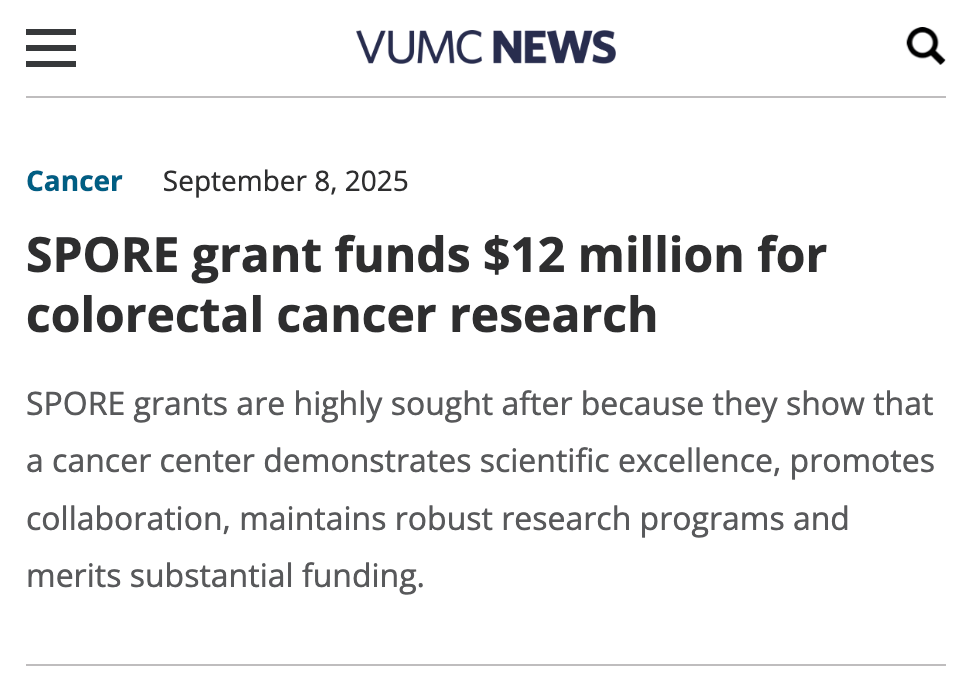
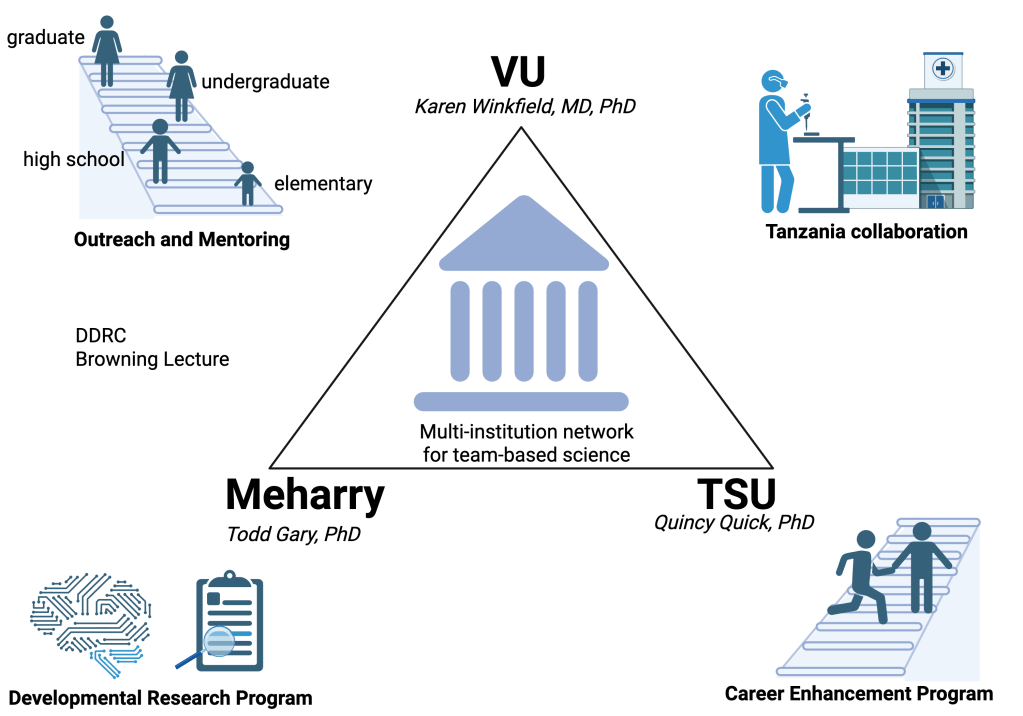
- Gastrointestinal (GI) Specialized Program of Research Excellence (SPORE), P50 Specialized Center grant resubmission funded in 2025; writer for Overall, Project 1, Administrative Core, and Career Enhancement Plan; editor for all other components (Total direct costs: $1.67 M/year for 5 years)
- .
- Administrative Supplement to Cancer Center Support Grant (CCSG); grant supplement for organoid work through the P30 Vanderbilt Cancer Center Support Grant, writer and editor for all components including Project Summary Abstract, Project Narrative, Specific Aims and Research Plan, took leadership role in managing team during hospitalization of managing PI (Total amount: $750,000 for 1 year)
- Kleberg Medical Research Award, private foundation grant funded in 2024; writer and editor for all components including Summary, Specific Aims, Preliminary Work, and Research Strategy (Total amount: $1.0 M over 3 years)
- Research Program Project Grant (PPG) P01 NCI grant (Overall Score: 32; P3 Score: 2.7; Resubmission Score 2.1 awaiting funding decision); editor for Project 3 components(Total direct costs: $1.2 M/year for 5 years)
- .
- Gastrointestinal (GI) Specialized Program of Research Excellence (SPORE), P50 Specialized Center grant (Overall Score 23%, Project 1: 2.1); writer for Overall, Project 1, Administrative Core, and Career Enhancement Plan; editor for all other components (Total direct costs: $1.67 M/year for 5 years)
- .
- Outstanding Investigator Award (OIA), R35 grant funded in 2024 by NCI (Perfect Score 1.0): All components writer and editor (Total direct costs: $600,000/year for 7 years)
- .
- Translational and Basic Science Research of Early Lesions (TBEL), U54 Specialized Center grant funded in 2021 (Overall Score 23%); Project 1 component writer (Total amount awarded direct costs: $1.0 M/year for 5 years)
- .
- National Science Foundation (NSF) Graduate Research Fellowship Program (GRFP), funded in 2019 for five years of fellowship support (Total amount awarded: $159,000)
Grants in the News
….
News Worthy Accomplishments

Developed workshops for NSF GRFP applicants at Vanderbilt University and University of Florida for improving Personal Statements, Research Plans, and CVs.
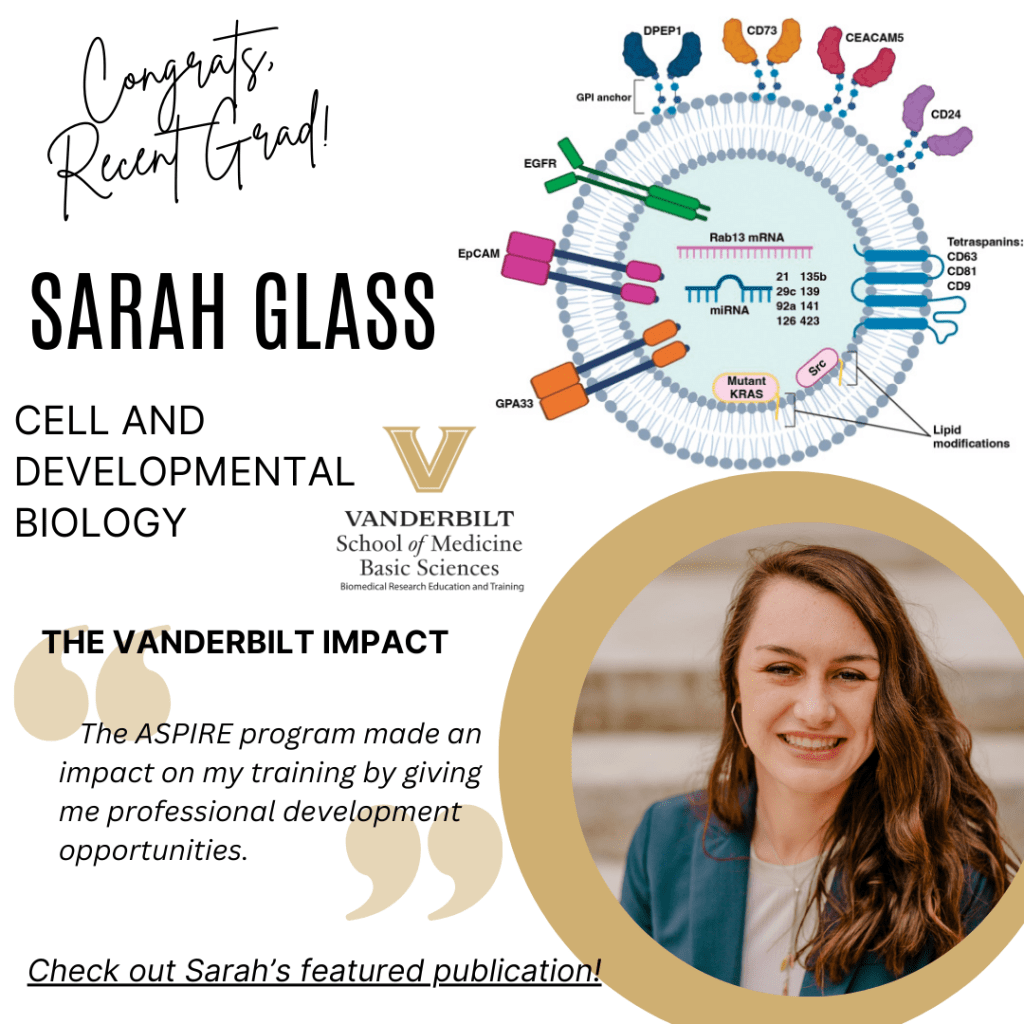
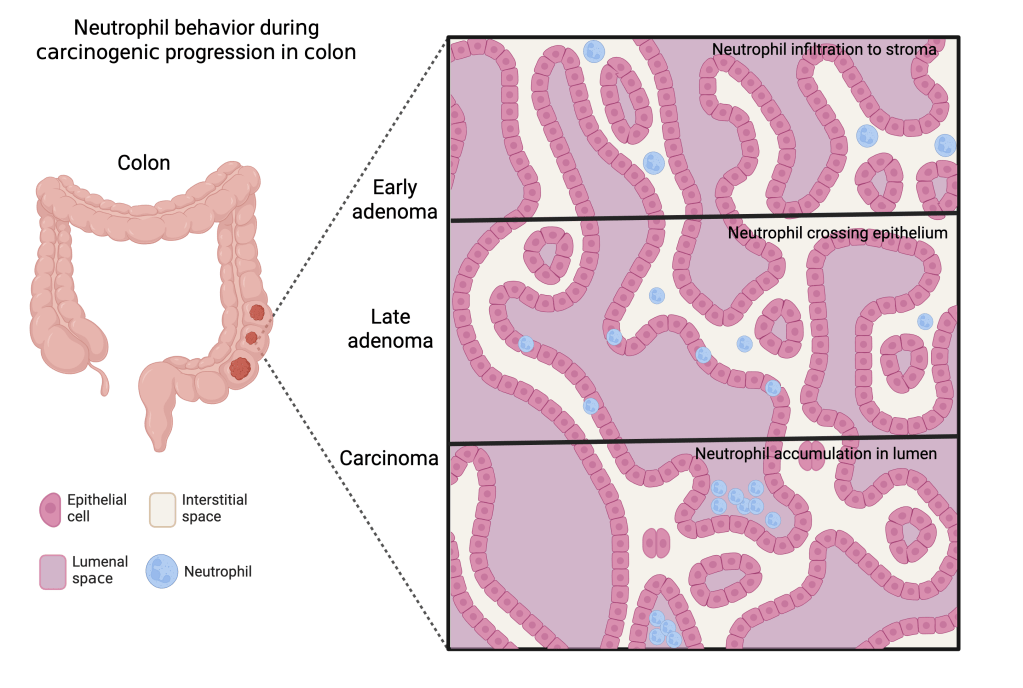
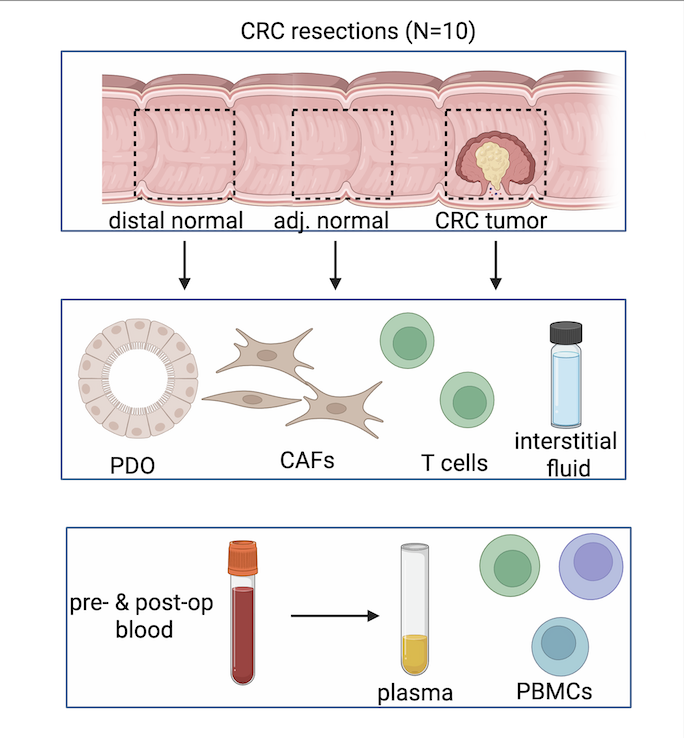
Defended thesis in March 2025 regarding the role of DPEP1 in colorectal cancer, and how blocking its activity can make “immune cold” cancers “immune hot” and potentially responsive to immunotherapy.
….
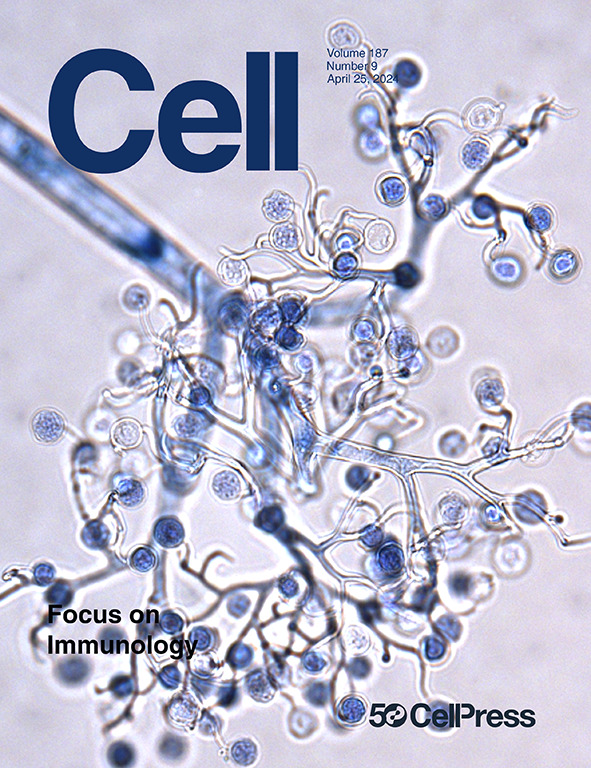
Manuscripts i Have edited have been published in…


……
XXX
Publications
Published in Cell, Science, Cancer Cell, Cancer Discovery, JCI Insight, and many others
View full list of publications
Glass SE, Fisher EG, Sievers CK, Cao Z, Bechard ME, Ellis ST, Aramnadla R, Zhao P, Smith RT, Wang Y, Higginbotham JN, Revetta F, Washington MK, Shrubsole MJ, Liu Q, Lau KS, Aronow B, Coffey RJ. September 12, 2025. Discovery of a novel isoform of dipeptidase-1 in colorectal cancer. Manuscript in preparation.
Hoi PX, Stangis MM, Glass SE, Kim JH, Kang SW, Brennen WN, Li Z, Grady WM, Yegnasubramanian S, Kuhn P, Lyssiotis CA, Sagara A, Shrubsole MJ, Kadara H, Yuan Y, Coffey RJ, Lau KS, De Marzo AM, Maitra A, Min J, Yu M, Chan KS. Cellular Senescence in Precancer Lesions: A Game-Changer for Precision Interception. Cancer Cell. 2025 Nov 6:S1535-6108(25)00447-7. doi: 10.1016/j.ccell.2025.10.006. Epub ahead of print. PMID: 41202812.
Tutanov OS, Massick C, Ramirez MA, Higginbotham JN, Jimenez L, Castleberry M, Cao Z, John E, Hamilton M, Zhang Q, Jeppesen DK, Michell DL, Glass SE, Patel P, Rose KL, Krystofiak E, Chen H, Sheng Q, Liu Q, Patton JG, Weaver AM, Franklin JL, Vickers KC, Coffey RJ. A comprehensive analysis of supermere, exomere, and extracellular vesicle isolation and cargo in colorectal cancer. Cell Reports. 2025 Oct 28. doi: 10.1016/j.celrep.2025.116287
Hoyt L, Liu E, Olson E, Jacobsen D, Siniscalco E, Krier-Burris R, Greenfield K, McBride C, Alfajaro MM, Amat J, Zhao Z, Xu L, Philip V, Verma A, Fourati S, Senger D, Zhang L, Bunyavanich S, Glass SE, Coffey RJ, Wilen C, Williams A, Eisenbarth S. Murine anaphylaxis to food requires cysteinyl leukotriene-mediated absorption of allergens in the gut. Science. 2025 Aug 7;389(6760):eadp0240. doi: 10.1126/science.adp0240. Epub 2025 Aug 7. PMID: 40773557; PMCID: PMC12333546.
Glass SE, Bechard ME, Cao Z, Aramandla R, Zhao P, Ellis ST, Green EH, Fisher EG, Smith RT, Sievers CK, Irudayam MJ, Revetta F, Washington MK, Ayers GD, Heiser CN, Simmons AJ, Xu Y, Wang Y, Windon A, Shrubsole MJ, Markham NO, Liu Q, Lau KS, Coffey RJ. Dipeptidase-1-knockout mice develop invasive tumors with features of microsatellite-unstable colorectal cancer. JCI Insight. 2025 Apr 3;10(9):e186938. doi: 10.1172/jci.insight.186938. PMID: 40178918; PMCID: PMC12128987.
Islam M, Bechard ME, Yang Y, Simmons AJ, Xu Y, Higginbotham JN, Zhao P, Tasneem N, Glass SE, Markham NO, Revetta F, Ramirez M, Liu Q, Franklin JL, Lau KS. Unbiased recording of clonal potency reveals species-specific regulation of mouse and human intestinal stem cells. Under Review at Cell.
Stangis MM, Chen Z, Min J, Glass SE, Jackson JO, Radyk MD, Hoi XP, Brennen WN, Yu M, Dinh HQ, Coffey RJ, Shrubsole MJ, Chan KS, Grady WM, Yegnasubramanian S, Lyssiotis CA, Maitra A, Halberg RB, Dey N, Lau KS. The Hallmarks of Precancer. Cancer Discov. 2024 Apr 4;14(4):683-689. doi: 10.1158/2159-8290.CD-23-1550. PMID: 38571435.
Welsh JA, Goberdhan DCI, O’Driscoll L, Buzas EI, Blenkiron C, Bussolati B, Cai H, Di Vizio D, Driedonks TAP, Erdbrügger U, Falcon-Perez JM, Fu QL, Hill AF, Lenassi M, Lim SK, Mahoney MG, Mohanty S, Möller A, Nieuwland R, Ochiya T, Sahoo S, Torrecilhas AC, Zheng L, Zijlstra A, Abuelreich S, Bagabas R, Bergese P, Bridges EM, Brucale M, Burger D, Carney RP, Cocucci E, Crescitelli R, Hanser E, Harris AL, Haughey NJ, Hendrix A, Ivanov AR, Jovanovic-Talisman T, Kruh-Garcia NA, Ku’ulei-Lyn Faustino V, Kyburz D, Lässer C, Lennon KM, Lötvall J, Maddox AL, Martens-Uzunova ES, Mizenko RR, Newman LA, Ridolfi A, Rohde E, Rojalin T, Rowland A, Saftics A, Sandau US, Saugstad JA, Shekari F, Swift S, Ter-Ovanesyan D, Tosar JP, Useckaite Z, Valle F, Varga Z, van der Pol E, van Herwijnen MJC, Wauben MHM, Wehman AM, Williams S, Zendrini A, Zimmerman AJ; MISEV Consortium; Théry C, Witwer KW. Minimal information for studies of extracellular vesicles (MISEV2023): From basic to advanced approaches. J Extracell Vesicles. 2024 Feb;13(2):e12404. doi: 10.1002/jev2.12404. PMID: 38326288; PMCID: PMC10850029.
Li D, Wang X, Miao H, Liu H, Pang M, Guo H, Ge M, Glass SE, Emmrich S, Ji S, Zhou Y, Ye X, Mao H, Wang J, Liu Q, Kim T, Klusmann JH, Li C, Liu Z, Jin H, Nie Y, Wu K, Fan D, Song X, Wang X, Li L, Lu Y, Zhao X. The lncRNA MIR99AHG directs alternative splicing of SMARCA1 by PTBP1 to enable invadopodia formation in colorectal cancer cells. Sci Signal. 2023 Sep 19;16(803):eadh4210. doi: 10.1126/scisignal.adh4210. Epub2023 Sep 19. PMID: 37725664.
Tutanov OS, Glass SE, Coffey RJ. Emerging connections between GPI-anchored proteins and their extracellular carriers in colorectal cancer. Extracell Vesicles Circ Nucleic Acids. 2023;4:195-217. http://dx.doi.org/10.20517/evcna.2023.17
Heiser CN, Simmons AJ, Revetta F, McKinley ET, Ramirez-Solano MA, Wang J, Kaur H, Shao J, Ayers GD, Wang Y, Glass SE, Tasneem N, Chen Z, Qin Y, Kim W, Rolong A, Chen B, Vega PN, Drewes JL, Markham NO, Saleh N, Nikolos F, Vandekar S, Jones AL, Washington MK, Roland JT, Chan KS, Schürpf T, Sears CL, Liu Q, Shrubsole MJ, Coffey RJ, Lau KS. Molecular cartography uncovers evolutionary and microenvironmental dynamics in sporadic colorectal tumors. Cell. 2023 Dec 7;186(25):5620-5637.e16. doi: 10.1016/j.cell.2023.11.006. PMID: 38065082; PMCID: PMC10756562.
Glass SE, Coffey RJ. Recent Advances in the Study of Extracellular Vesicles in Colorectal Cancer. Gastroenterology. 2022;163(5):1188-1197. doi:10.1053/j.gastro.2022.06.039
Cao T, Lu Y, Wang Q, Qin H, Li H, Guo H, Ge M, Glass SE, Singh B, Zhang W, Dong J, Du F, Qian A, Tian Y, Wang X, Li C, Wu K, Fan D, Nie Y, Coffey RJ, Zhao X. A CGA/EGFR/GATA2 positive feedback circuit confers chemoresistance in gastric cancer. J Clin Invest. 2022 Mar 15;132(6):e154074. doi: 10.1172/JCI154074. PMID: 35289315; PMCID: PMC8920335.
Liu H, Li D, Sun L, Qin H, Fan A, Meng L, Graves-Deal R, Glass SE, Franklin JL, Liu Q, Wang J, Yeatman TJ, Guo H, Zong H, Jin S, Chen Z, Deng T, Fang Y, Li C, Karijolich J, Patton JG, Wang X, Nie Y, Fan D, Coffey RJ, Zhao X, Lu Y. Interaction of lncRNA MIR100HG with hnRNPA2B1 facilitates m6A-dependent stabilization of TCF7L2 mRNA and colorectal cancer progression. Mol Cancer. 2022 Mar 12;21(1):74. doi: 10.1186/s12943-022-01555-3. PMID: 35279145.
Zhang Q, Jeppesen DK, Higginbotham JN, Graves-Deal R, Trinh VQ, Ramirez MA, Sohn Y, Neininger AC, Taneja N, McKinley ET, Niitsu H, Cao Z, Evans R, Glass SE, Ray KC, Fissell WH, Hill S, Rose KL, Huh WJ, Washington MK, Ayers GD, Burnette DT, Sharma S, Rome LH, Franklin JL, Lee YA, Liu Q, Coffey RJ. Supermeres are functional extracellular nanoparticles replete with disease biomarkers and therapeutic targets. Nat Cell Biol. 2021 Dec 9:1–15. doi: 10.1038/s41556-021-00805-8. PMID: 34887515; PMCID: PMC8656144.
….
Featured Scientific Communication Articles
Written and/or edited by SEG
VUMC Reporter
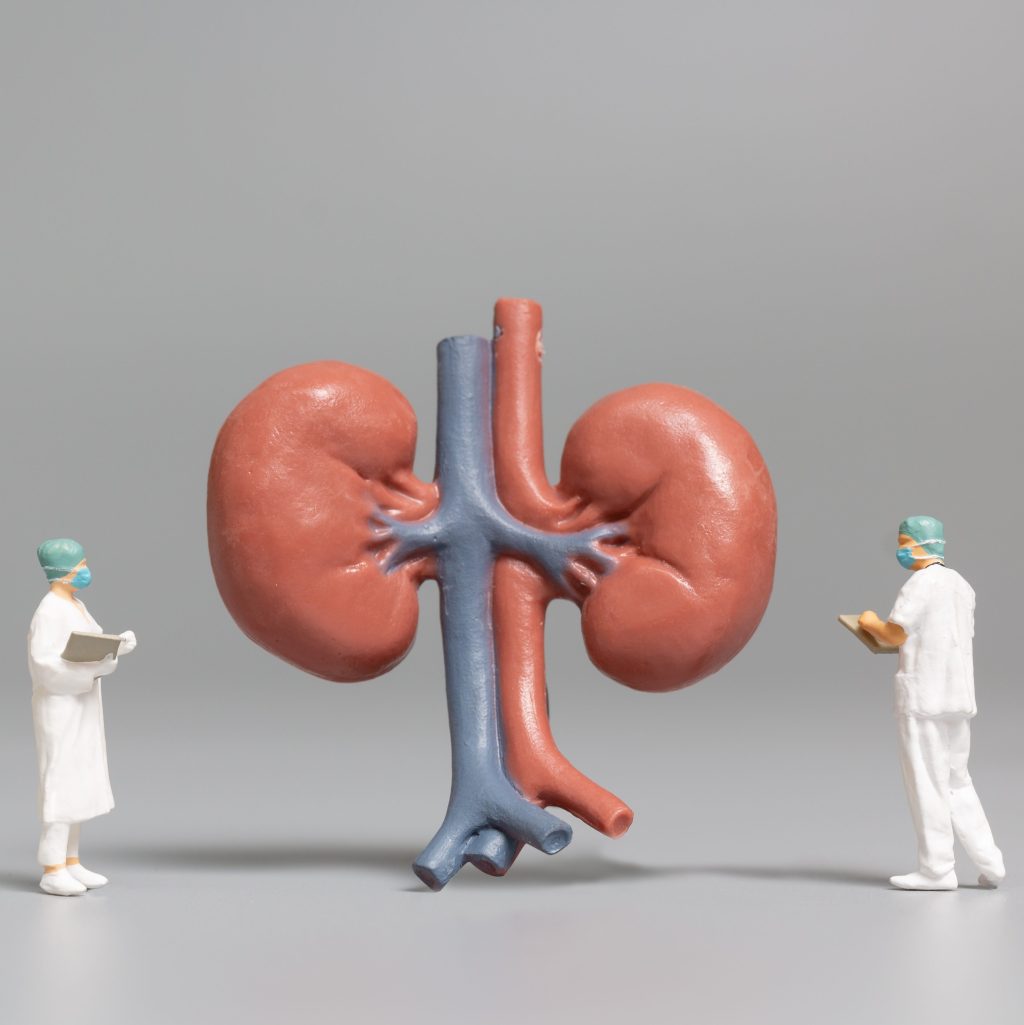
Treating kidney injury before it happenS
May 23rd, 2023
XXX
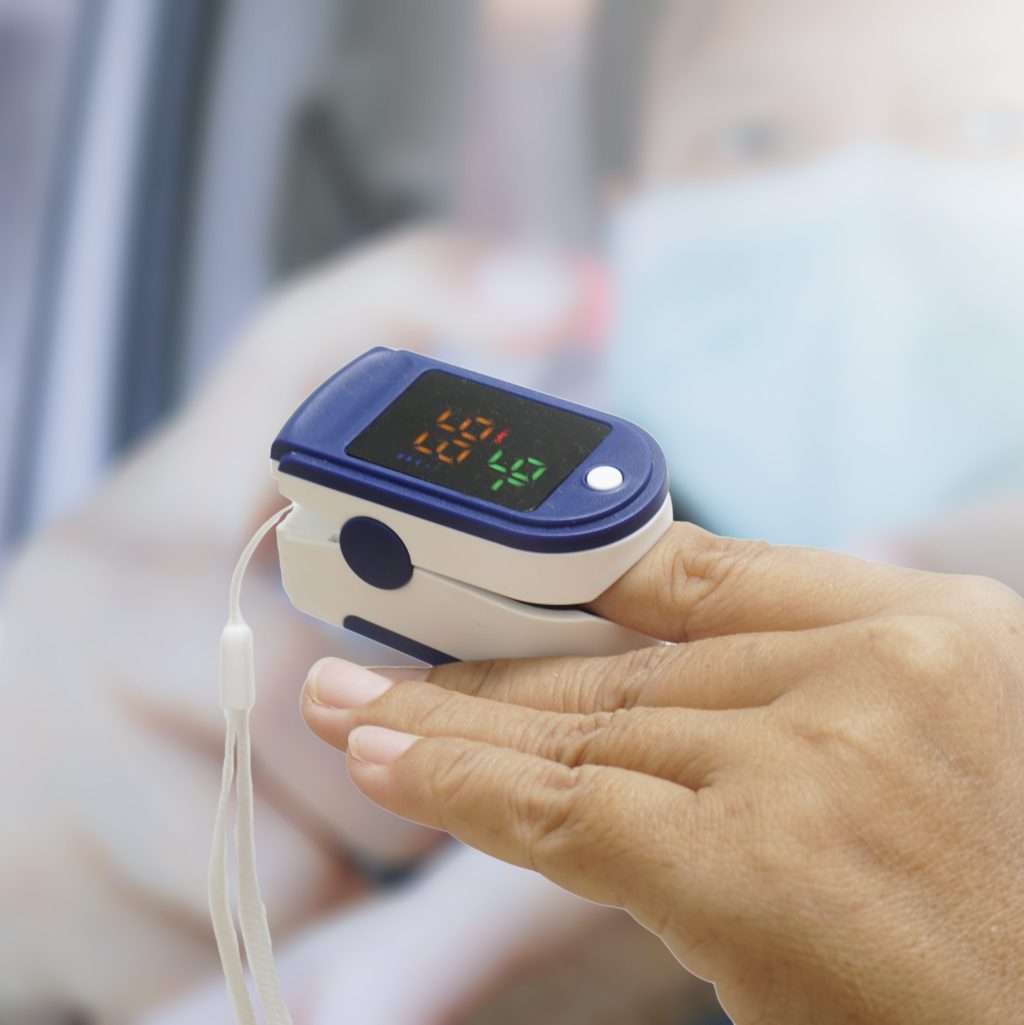
Skin pigment affects oxygen monitor
October 11th, 2022
WIN for blocking cancer growth
January 21st, 2021
Basic Sciences Discovery
A cell’s breadcrumb trail: Exosomes mediate cell migration
July 12th, 2020
XXX
An ounce of prevention is worth two pounds of cure
April 10th, 2020
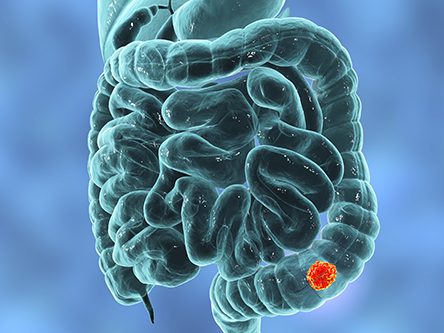
The tale of the targeted mouse
February 13th, 2020
Vestigo Special Sesquicentennial Issue
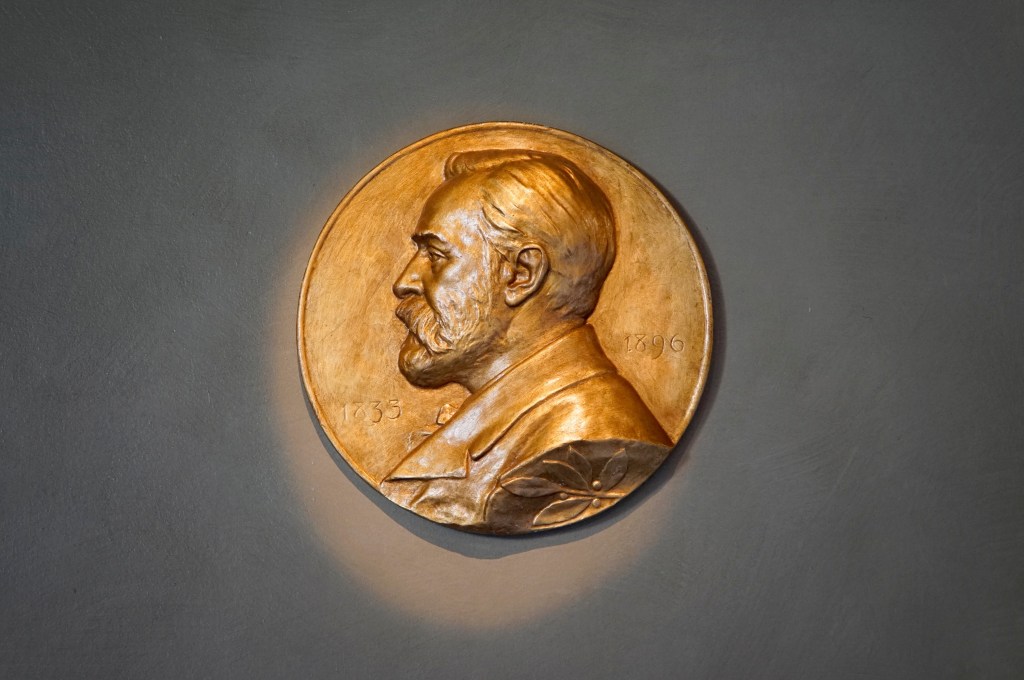
The lasting impact of Vanderbilt’s life sciences Nobelists
March 7th, 2024
…………………………………………………………………….
View full list of articles

Rare disorder sheds light on dysbindin function
A case study of a rare disorder uncovers roles for the protein dysbindin in the adaptive immune response and suggests that mutations may underlie some cases of very early onset inflammatory bowel disease.
June 27th, 2023
An image of cancer treatment response
An MRI method developed by Vanderbilt researchers uses imaging data to derive cell size and could be added to clinical practice for better monitoring of breast cancer treatment response.
June 8th, 2023

Overactive bladder and anxiety
Anxiety and psychological stress impact hypersensitivity mechanisms in women that could contribute to overactive bladder — a frequent and sudden urge to urinate that is difficult to control.
April 20th, 2023

Diabetes drug may improve asthma
New biomarker finding strengthens the case for using GLP-1R agonists to treat patients with Type 2 diabetes who also suffer from asthma.
February 21st, 2023
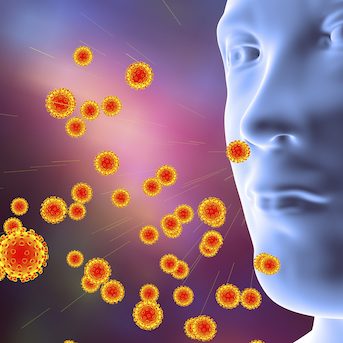
COVID-19 battle begins in the nose
A high upper airway concentration of the virus that causes COVID-19 was associated with changes in gene expression that could impact disease progression, Vanderbilt researchers discovered.
February 2nd, 2023

Is drinking tea good for your gut?
Microbiome profiling of older Chinese adults showed that tea drinking changed the diversity and abundance of some bacteria in men but not women — effects that may contribute to a reduced risk of hypertension.
January 19th, 2023

MicroRNAs linked to lipid damage
VUMC researchers have linked microRNAs with systemic lipid peroxidation, a discovery that could point to new therapeutic targets for a variety of diseases.
January 6th, 2023
A marker for mortality
A urine biomarker of inflammation was associated with increased mortality and multiple lifestyle factors, suggesting that modifications could help reduce premature mortality.
November 17th, 2022
C. diff infections drop in children
The number of pediatric infections caused by Clostridioides difficile (C. diff) decreased from 2013 to 2019, likely due to an increase in antibiotic stewardship programs and improved hospital contact protocols, Vanderbilt researchers found.
November 3rd, 2022
Supermeres: the baby in the bathwater!
September 5th, 2022

Inflammatory driver of obesity
Blocking the EGF receptor signaling pathway in immune system macrophages represents a new target for improving insulin resistance in people with obesity.
August 25th, 2022
Cell-free Breast Cancer ‘Biopsy’
The circulating DNA that tumors release is a reliable metric of tumor genomics and can be used to monitor molecular changes in metastatic breast cancer.
August 11th, 2022

Youthful healing for burn wounds
Topical treatment of burns with an immunosuppressive drug counteracted the negative effects of aging on wound healing, Vanderbilt researchers have discovered.
April 21st, 2022
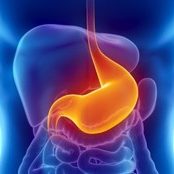
New prognosis predictor and target for gastric cancer
The protein CGA — a subunit of glycoprotein hormones — is a biomarker that predicts chemoresistance in gastric cancer and could be targeted along with EGFR to restore chemosensitivity.
April 7th, 2022

Melanoma treatment response
Targeting the interaction between melanoma and immune cells could improve responses to targeted cancer therapies, Vanderbilt researchers found.
February 24th, 2022
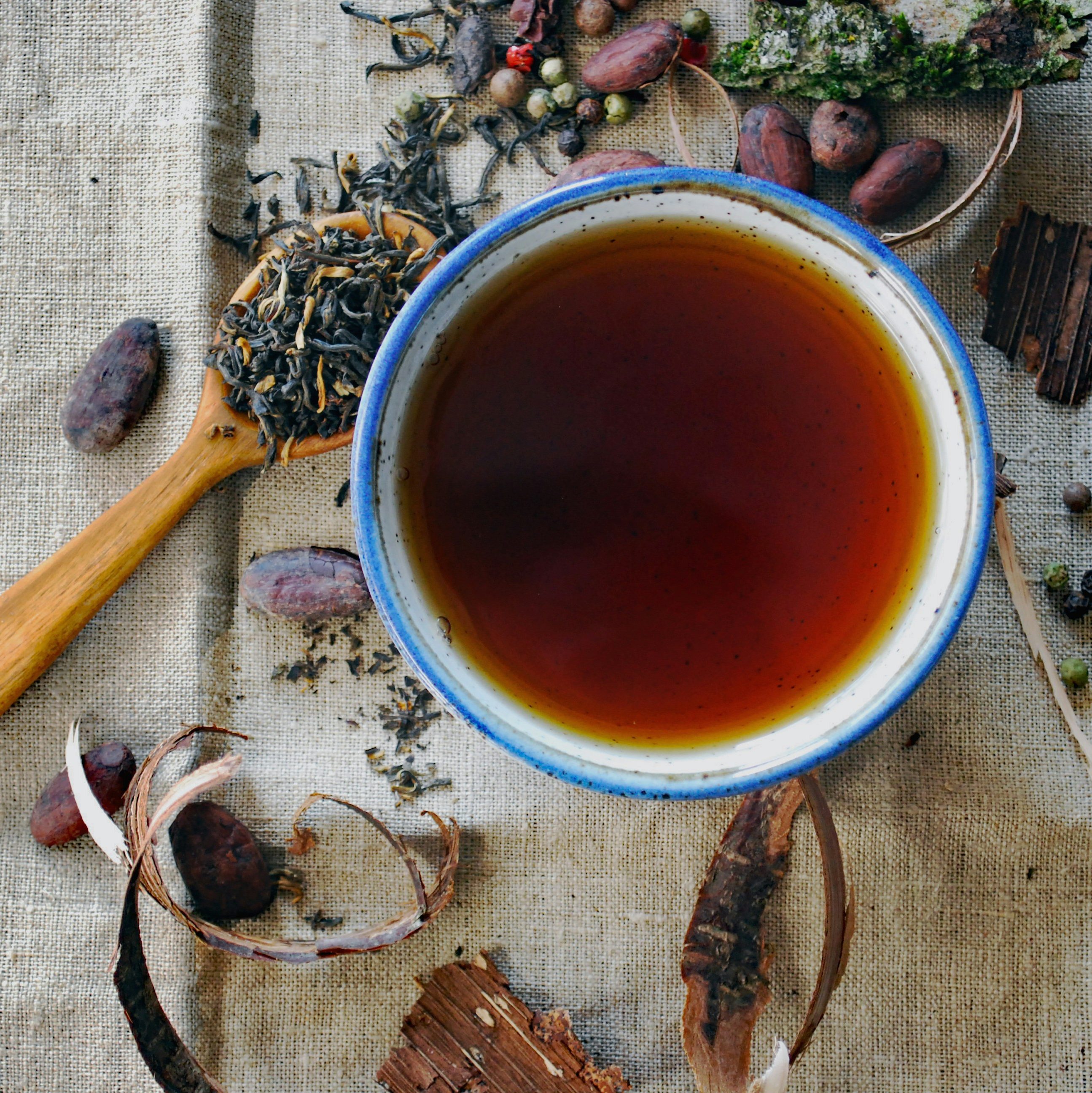
Tea drinking and high blood pressure
Habitual tea drinking is associated with a slightly higher risk of hypertension in middle-aged and older Chinese adults, which warrants confirmation by long-term intervention studies, researchers say.
October 14th, 2021
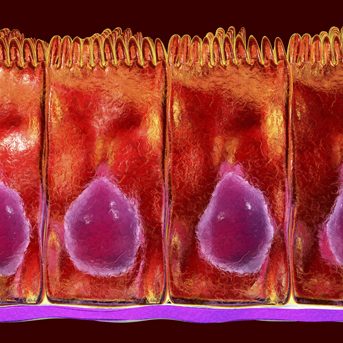
Motor protein linked to intestinal cell differentiation
The motor protein MYO5B, a cause of the congenital intestinal disorder microvillus inclusion disease, does more than move cellular cargo, Vanderbilt researchers have discovered.
August 5th, 2021
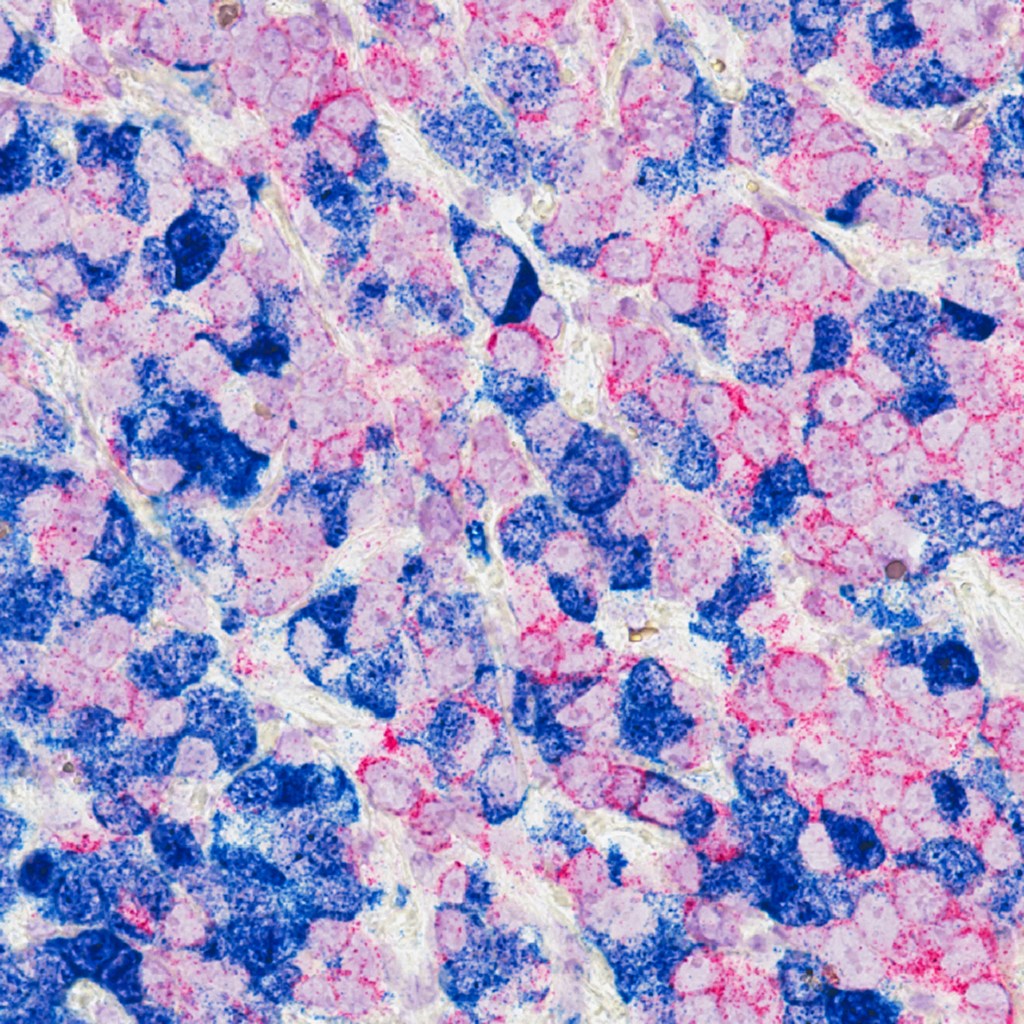
Markers for breast cancer progression
Vanderbilt researchers clarify how a microRNA associated with triple-negative breast cancer survival inhibits cancer progression, suggesting new treatment strategies.
March 9th, 2021
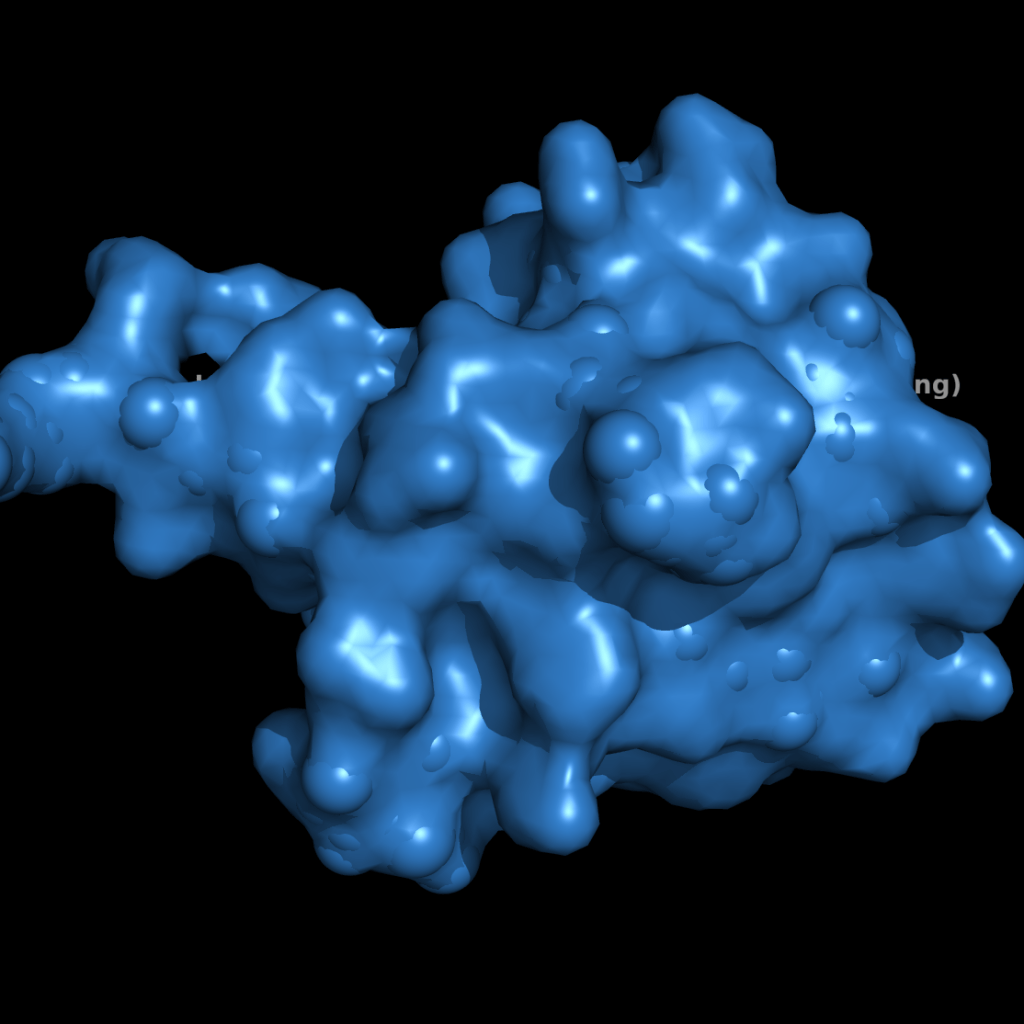
Modifying the Modifier
Vestigo, Issue 2, Winter 2021
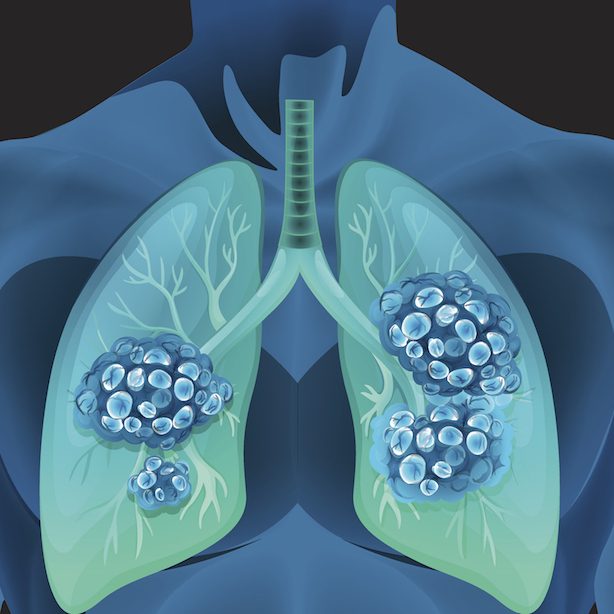
New therapeutic target for lung cancer
Vanderbilt researchers have identified a new molecular partner — and potential therapeutic target — in a signaling axis that drives lung cancer.
November 12th, 2020

New markers of colorectal cancer risk
Vanderbilt epidemiologists identified new markers for colorectal cancer risk and characterized a previously unidentified tumor suppressor that regulates overall tumor volume in vivo.
October 29th, 2020

Depression and the brain-age gap
Older depressed adults show accelerated brain aging, according to a new study from Vanderbilt researchers, who suggest that the effects of depression may speed the decline in cognitive functions in older individuals.
October 19th, 2020
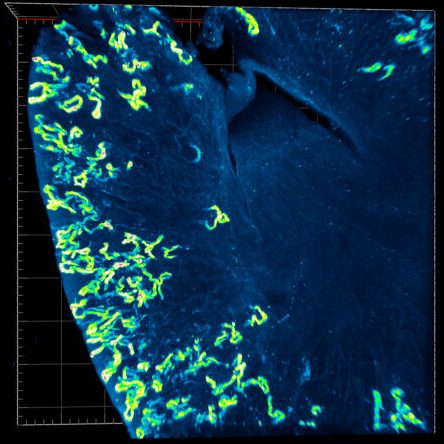
Clue to diabetic kidney disease
Vanderbilt researchers have identified a signaling pathway that promotes kidney fibrosis in patients with diabetes — and that could be targeted with an existing approved medication.
October 5th, 2020
New predictors of prostate cancer risk
An international group of researchers including Vanderbilt epidemiologists has identified new DNA methylation biomarkers associated with prostate cancer risk.
September 17th, 2020
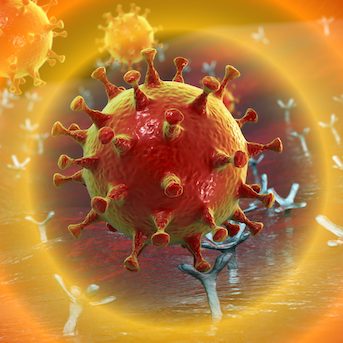
Possible key to COVID-19 infectivity
New findings demonstrate how genetic variations in the receptor that binds SARS-CoV-2 impact virus recognition and infectivity and offer insights to COVID-19 susceptibility and treatment.
September 7th, 2020

The importance of estrogen cycles
Deborah Lannigan and colleagues identify a key regulator of the estrogen receptor and suggest that its downregulation by oral contraceptives may increase oxidative stress and DNA damage, a common cause of cancer.
August 6th, 2020
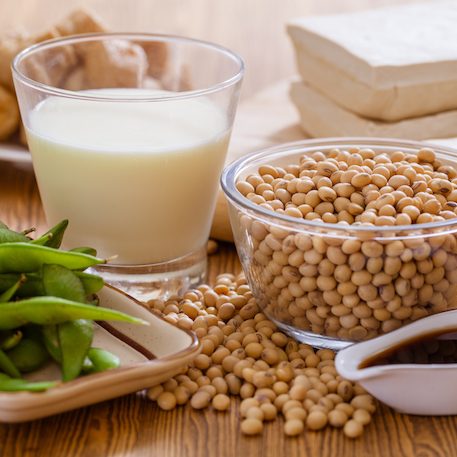
Soy food, metabolism and the microbiome
Consumption of soy foods may shape the microbiome and protect against hypertension only in individuals with soy-responsive microbiota, Vanderbilt researchers have discovered.
July 27th, 2020
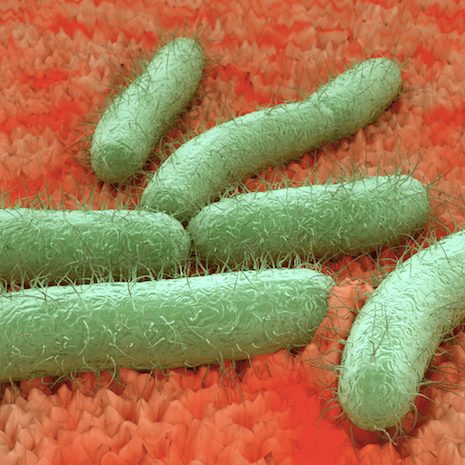
Recurrent UTIs linked to hidden reservoir
Bacterial invasion of vaginal cells sets up a protective niche and a reservoir for recurrent urinary tract infections, Vanderbilt researchers demonstrated.
July 9th, 2020
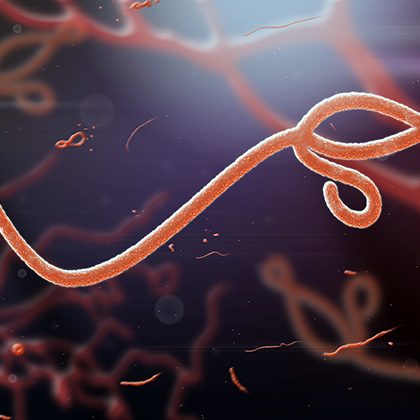
Two is better than one: Combatting the Ebola Virus
March 26th, 2020
 Sarah E Glass PhD